Plans for Homes Not Available on Any Other Site!
Colonial House Plans
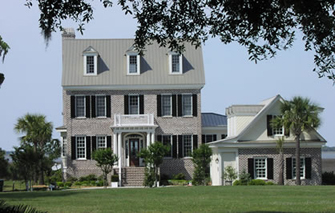
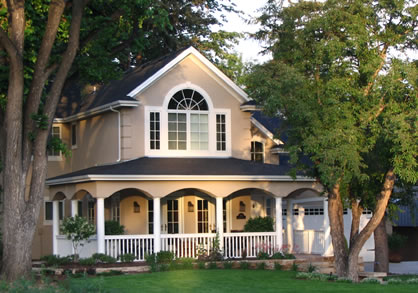
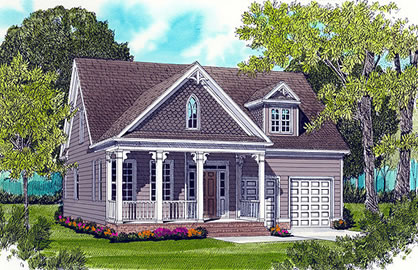
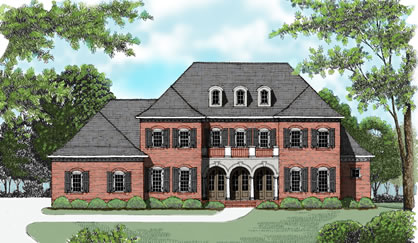
Homes built from Colonial house plans evoke memories of America’s original east coast settlements. These homes ranged from the rocky New England coastline to the swamps of Georgia. Colonial home plans cover a range of classic styles, including saltbox, Georgian, Garrison, and Dutch, and they are influenced by English, French, and Dutch architecture.
Colonial house plans in general, and homes built from them in the South in particular, are often symmetrical in nature, including the placement of the front door and all the windows. Homes built from these plans are typically rectangular in shape, and the second floor square footage usually matches that of the main level. The exteriors are often composed of brick and/or clapboard.
Colonial-style homes combine simple elegance with a touch of history. While different from one east coast region to another, most have multi-pane windows and pillars or columns, and are two-story homes.
Common Characteristics of Colonial House Plans:
- Most universal feature is symmetrical, multi-paned windows
- Typically with symmetrical facades of brick or clapboard, and gable roofs
- Often have a centrally located entry hall, fireplace(s), and simple yet elegant design elements, like dentil molding, shutters, fanlights, and pilasters
- Entrances are often accentuated with columns rising to the second floor
- Pillars and columns are quite common
- Usually two and sometimes three stories, with a rectangular shape
Click a name or photo below for additional details.
-
Colonial Style Southern Comfort

Above Ground
3151 sq ft 1 story 4 bed 3.5 bath 71 wide 70.5 deep Lower Level
0 sq ft 0 bed 0 bath -
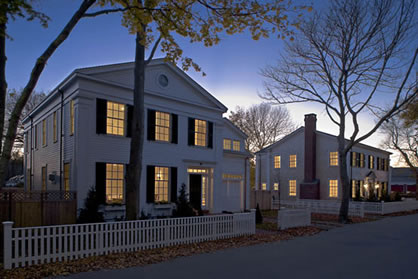
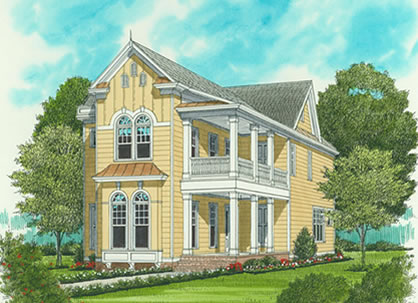
Greek Revival 4 Bedroom

Above Ground
3193 sq ft 2 story 4 bed 3.5 bath 47 wide 40 deep Lower Level
1617 sq ft 0 bed 0 bath -
Lake Manor Luxury Home
Above Ground
3680 sq ft 2 story 3 bed 3.5 bath 74.5 wide 62.667 deep Lower Level
1008 sq ft 1 bed 1 bath -
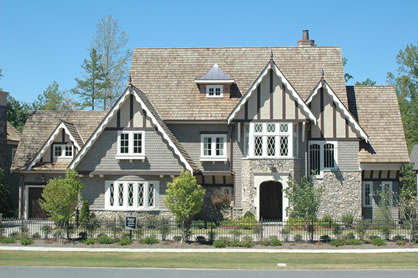
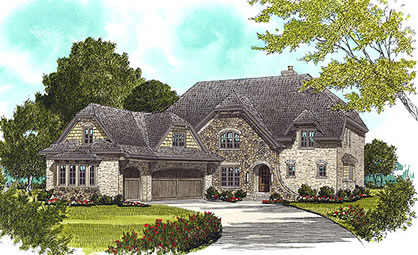
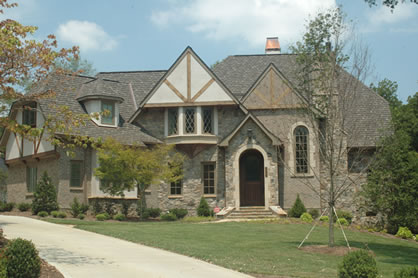
Tudor Style Traditional Splendor

Above Ground
4934 sq ft 2 story 4 bed 4.5 bath 70.5 wide 61 deep Lower Level
0 sq ft 0 bed 0 bath -
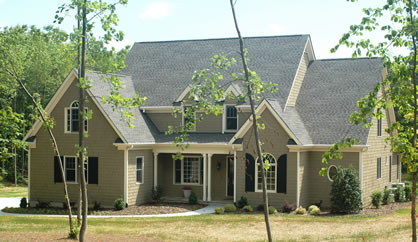
Carolina Narrow Lot Home

Above Ground
2224 sq ft 2 story 4 bed 3 bath 25 wide 63.167 deep Lower Level
0 sq ft 0 bed 0 bath -
European Style Country Luxury

Above Ground
3673 sq ft 2 story 4 bed 3.5 bath 64.417 wide 46.417 deep Lower Level
0 sq ft 0 bed 0 bath -
Colonial With Courtyard Garden

Above Ground
4388 sq ft 2 story 4 bed 4.5 bath 79.667 wide 53.167 deep Lower Level
0 sq ft 0 bed 0 bath -
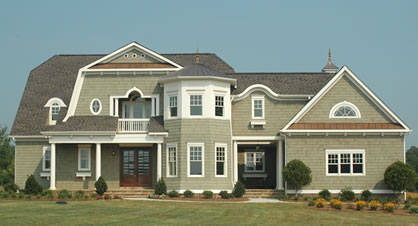
Shingled Two-Story Colonial

Above Ground
3682 sq ft 2 story 4 bed 4.5 bath 64.5 wide 52.667 deep Lower Level
0 sq ft 0 bed 0 bath -
Parkside House With Wrap Around Porch

Above Ground
2788 sq ft 2 story 2 bed 2.5 bath 51.333 wide 60 deep Lower Level
1330 sq ft 1 bed 1 bath -
Cozy Colonial

Above Ground
2021 sq ft 2 story 3 bed 2.5 bath 46 wide 46 deep Lower Level
0 sq ft 0 bed 0 bath -
Tudor Style Manor House
Above Ground
5358 sq ft 2 story 4 bed 4.5 bath 65.667 wide 69.917 deep Lower Level
0 sq ft 0 bed 0 bath -
Traditional Colonial-Style Manor

Above Ground
4048 sq ft 2 story 4 bed 4 bath 85 wide 42 deep Lower Level
0 sq ft 0 bed 0 bath